ALL LEVEL SITES
 ALL SLOPING SITES


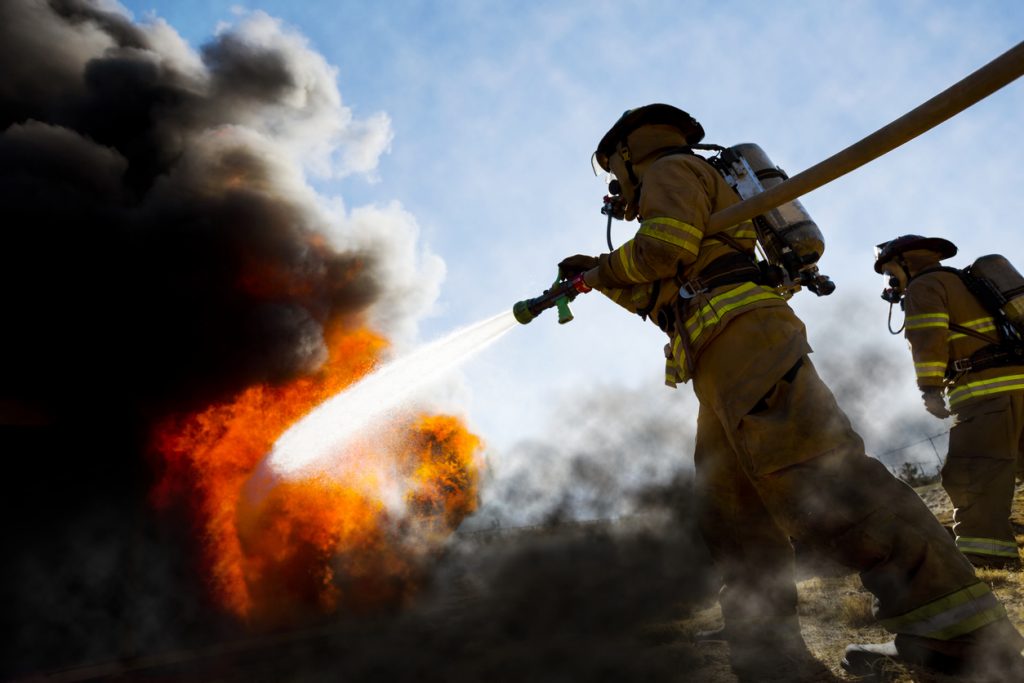
Your guide to building in a bushfire zone in NSW
Following what has been dubbed “Black Summer” in 2019 to 2020, it’s natural to be concerned about building in bushfire-prone areas in NSW. Australian bushfires are infamous for being catastrophic, widespread, and hard to contain, and they are a major concern for all Australians.
With this in mind, having a bushfire plan and a bushfire-resistant home design is essential to minimise the risk of fire damage. Before building in a bushfire-prone area in NSW, there are a few things you’ll need to consider to increase the strength and durability of your home in a bushfire.
Read on. Montgomery Homes is one of the only NSW home builders who will build in all six bushfire zones. With more than 30 years of experience, we know how to build tough, fire-resistant homes throughout New South Wales. We can help build a home that’s made to last.
How to check if I’m in a bushfire zone in NSW
Before purchasing a block of land or starting a new home build, it’s important to find out whether or not it’s bushfire-prone land.
During the planning process, we can find this information on your behalf, but it’s also possible to get an idea of the fire danger in the area via the New South Wales Rural Fire Service (RFS).
The RFS has a bushfire map on its website showing NSW fire zones. Search the postcode, and the RFS will determine whether the land is bushfire-prone.
However, it’s important to note that this tool is not 100% accurate—it’s based on council bushfire maps, and these can change constantly, depending on the season and possible drought conditions.
How to navigate bushfire zones and development approvals
New home developments on bushfire-prone land must comply with the requirements of the RFS Planning for Bushfire Protection (PBP) framework.
Under section 100B of the Rural Fires Act 1997, a bushfire safety authority must also be obtained from the NSW Rural Fire Service for subdivision and special fire protection developments on bushfire-prone land.
It might sound complicated, but at Montgomery Homes, we are fully equipped with the knowledge to ensure your new home build meets the necessary compliance requirements.
Thanks to our smart home designs and fire-resilient building materials, we can build in areas with a low bushfire attack level (BAL) to riskier areas called “flame zones.”
We are one of the only NSW project home builders who can build a BAL home in all six zones:

- BAL-LOW – very low risk
- BAL-12.5 – low risk
- BAL-19 – moderate risk
- BAL-29 – high risk
- BAL-40 – very high risk
- BAL-FZ – extreme risk (flame zone).
Montgomery Homes offers peace of mind. We have decades of experience building architectural homes in bushfire-prone areas and will handle development approvals for you.
How to find your BAL rating in NSW
Finding your property’s BAL rating involves a few steps to assess the risk of bushfire exposure. To start, we recommend visiting the NSW RFS website and utilise its huge range of helpful tools and resources, including:
- Building in a Bush Fire Area
- Know Your Risk
- Prepare Your Home Fact Sheet
- Alert Levels & Phone Warnings
- Fire Danger Ratings
- Managing Bushfire Risk.
These resources will help you better understand bushfire danger, various ratings and measurements, and how to reduce bushfire risk on your property.
To calculate your BAL rating or bushfire risk, you can then use the NSW RFS Bushfire Household Assessment Tool or contact a bushfire consultant (e.g. a private building certifier) for a more detailed risk assessment, considering vegetation, the slope of the land, and fire weather conditions.
How we approach the construction of buildings in bushfire-prone areas

We’re committed to our clients' health and safety, so we take every precaution to ensure our home designs are at minimal risk of damage during bushfire season. During the building process, we will ensure the following safety precautions are put in place:
- Gas lines are installed underground to minimise the risk of explosion
- Position the house and windows accordingly to reduce bushfire construction requirements.
- Install metal fly screens on windows and sliding doors.
- Install spark-arresting vent holes under the house to stop embers from entering the home from below.
- Install spark-arresting weep holes to allow water to escape.
- Use thicker glass on all windows to reduce the risk of smashing and explosions in flame zones.
- Install G-Tech render board under the roofing material and eaves to protect your home in a flame zone.
- Seal the garage doors to stop embers from entering the house between the door and the brickwork.
These techniques and special flame-resistant materials will increase the strength and durability of your home in the event of a bushfire. For more information on our bushfire construction requirements and techniques, please get in touch with our team today.
Finally, follow the RFS 4-step fire plan
While we can help build a strong, fire-resistant home, you must still be prepared and alert during bushfire season. This is essential for keeping you and your family safe.
The RFS has highlighted four simple steps for keeping safe on bushfire-prone land. The four steps are as follows:
- DISCUSS what to do if a bushfire threatens your home. Create a fire plan and consider if and when to evacuate, what you will do with your pets, the best escape route, and where your family will stay in bushfire conditions.
- PREPARE your home ahead of time for bushfire season. This might include cleaning out the gutters, sweeping possible tinder-like dried leaves, and leaving hoses out for instant use. You might also prepare or review your home insurance to ensure you’re protected.
- KNOW the bushfire alert levels. These can be seen on bushfire threat signs, online, and via NSW Incident Alerts on Facebook. The RFS will also send out text messages if evacuation is required.
- KEEP all bushfire and emergency numbers ready, download the RFS smartphone app, and keep updated with NSW Incident Alerts on Facebook.
Make sure to download the RFS fire survival plan.
Building in a bushfire zone doesn't need to be stressful or complicated. We're here to help.
Building in a bushfire-prone area can be a worry for new homeowners. However, it shouldn’t be challenging, complicated, or stressful. At Montgomery Homes, we have decades of experience building in high-risk areas and have developed effective home-building methods to keep you safe during bushfire season.
As one of the only project home builders who can build in all BAL classifications, you know your home build is in good hands.
We’d be happy to give you some peace of mind about your new home build. If you have any questions, contact our friendly and accommodating team in Sydney, Newcastle, or the Central Coast.
 ALL ARTICLES
 HOME DESIGNS
 STYLING & INSPIRATION
 FINANCE TIPS
 BUILDING PROCESS
 SUSTAINABLE LIVING
 NEWS & EVENTS
Similar Blogs
- All Articles
- Acreage
- Blog
- Building Process
- Featured
- Finance Tips
- Home Designs
- Inspiration Gallery Blog
- News & Events
- Selections Gallery
- Selections Gallery Blog
- Shaynna Blaze
- Styling & Inspiration
- Sustainable Living

What is BASIX? Your 2026 Guide to BASIX Requirements in NSW

Freestanding Bath Ideas: Inspiration For Modern Bathroom Design

How Much Does A Knock Down Rebuild Cost?

Shaynna Blaze Reveals New Interior Design Schemes

Top 12 Best Places To Live in Sydney – 2026 Guide

Your Guide to Luxurious Reverse Living Beach House Plans

Slab Houses Explained: Stepped Slabs For Sloping Blocks

Renovate vs Rebuild: When Is It Better to Demolish?